The Olmstead v. L.C. decision is not just about a Supreme Court case.
It is about a person and the life made possible.
That person was my beautiful son.
Though he is no longer here, the mama bear in me still roars.
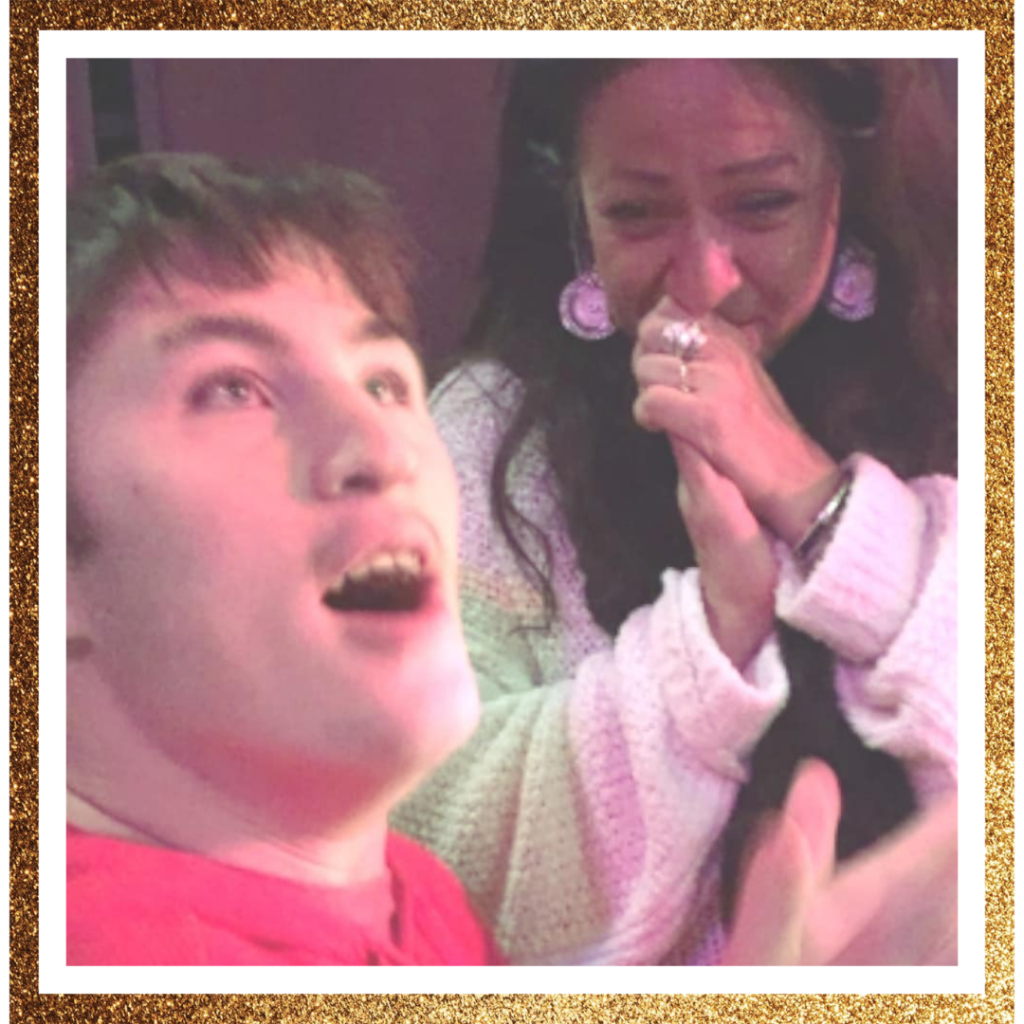
Wesley was born on October 26, 2001 in Sioux Falls, South Dakota. What seemed to be a mostly uneventful pregnancy changed the moment he was born and the doctors noticed multiple congenital anomalies. Despite several ultrasounds by four different physicians, the secret was only revealed upon his first breath. I was instantly told he likely had a syndrome, but it would take several years before genetic testing advanced enough to name it as a chromosomal deletion 1q21.3-1q22.
Because every cell in his body was missing a small but critical part of the first chromosome, Wesley’s delays were noted immediately. His cry was weak. There was no grasp reflex. He struggled to latch on during nursing.

Wesley would eventually be diagnosed with profound cognitive impairment. A myriad of medical complexities would reveal themselves throughout his life. A feeding tube would be placed, and his first birthday was celebrated in the hospital from that surgery. When he was three years old, he would learn to eat pureed foods after years of being fed exclusively through that feeding tube. Neurogenic bladder disorder would require urinary catheterization four times a day.
A bicuspid aortic valve would lead to emergency open-heart surgery and prosthetic valve placement. He was at constant risk of aspiration due to central hypotonia and severe GERD. Orthopedic issues would make walking distances impossible. There was a medical specialist for nearly every system of his body.
At age seven he was diagnosed with Autism. Being non-verbal left him frequently frustrated and challenging behaviors manifest as aggression and self-injury. Once he learned simple sign and could use a communication device, those behaviors decreased dramatically.
Much more than any of that, he loved lavishly and unconditionally. He knew no stranger. Wesley refused to be defined by what he could not do but by what he abundantly and generously offered the world. His laugh could light up the darkest day. He didn’t care how much money you made or who you voted for or what kind of car you drove. If you were in his vicinity, you deserved a hug. He gave the best hugs, and his entire body would shake with excitement. Every kindness came from the depths of his soul with no ulterior motive and no agenda.
His persistence was truly inspirational. Wesley could not crawl until he was eighteen months old. Instead, he learned to roll. He would get through the entire house by rolling, pivoting, and rolling more. Nothing stopped him. He was tenacious and rose above every challenge, always with a smile.
He taught me to live a life of gratitude. He was pure joy.
He was my son.

TEFRA/Katie Beckett Pathway
At the time of his birth in 2001, South Dakota was one of twenty states that allowed children with disabilities to receive Medicaid regardless of parental income through the TEFRA/Katie Beckett pathway.
In 1978 when Katie Beckett was five months old, she was hospitalized after contracting encephalitis and required prolonged hospital care. Gradually improving, by 1981 her physicians determined she could safely continue to be cared for in her home. The barrier to her return home was not medically driven, but policy driven.
In Iowa at that time, Medicaid did not include long-term, home-based services. Medicaid would, however, pay for hospitalization but the moment she left she would no longer be Medicaid eligible because her parents’ income was over the threshold.
Iowa tied Medicaid eligibility for children living with their families to its welfare (AFDC) financial standards. For a family of three, as the Beckett family was, the initial gross-income screening level was only about $540 per month or roughly $6,500 per year. A family could be disqualified for Medicaid based on an income that was below the federal poverty line.
Despite the hospitalization costing six times more than in-home care and regardless of desperate pleas from her parents, Medicaid rules would not fund Katie leaving the hospital.
Katie’s parents fought to bring her home. Working with hospital administrators and medical staff, they advocated at first by writing letters. They began seeking the help of elected officials in an effort to change the Medicaid rules that kept their daughter institutionalized. Eventually they found Congressman Tom Tauke (R-Iowa) who helped bring Katie’s story to the Oval Office.
He worked to convince the Reagan administration that the system should be changed to allow States to provide Medicaid to children receiving care in their homes. Ultimately, President Ronald Reagan took up Katie’s cause…
Once made aware of the situation, President Ronald Reagan directed Health and Human Services to use its existing authority to grant an administrative Medicaid exception allowing Katie to receive Medicaid while living at home.
She was finally brought home just before Christmas on December 19th, 1981.
At a White House press conference in 1981 Reagan said:
“We just recently received word of a little girl who has spent most of her life in a hospital. The doctors are of the opinion that if she could be sent home and receive her care at home, it would be better for her… Now, it would cost $1,000 a month… The alternative is Medicaid continues to pay $6,000 a month to keep her in a hospital… Now, by what sense do we have a regulation in government that says we’ll pay $6,000 a month to keep someone in a hospital that we believe would be better off at home, but the family cannot afford one-sixth of that amount to keep them at home?”
Shortly after Katie received her exception, Congressman Henry Waxman (D-CA) introduced legislation hoping to help the other 10 to 20 thousand children in a similar situation. He praised President Reagan’s decision to help Katie but also argued it should not take an act of the president to secure services.
“I think my colleagues would be interested to know that there are 160,000 disabled children on Medicaid now. While their situation might not be exactly like Katie’s I am sure that 10,000 to 20,000 of them could benefit from the change the President made for Katie today.”
In order to expand services to “all the Katies of America“, TEFRA (Tax Equity and Fiscal Responsibility Act of 1982) added a provision to a much larger tax and budget bill. The pathway allowed states the option to disregard parental income when determining Medicaid eligibility for certain children with extensive disabilities.
Katie Beckett would go on to earn her college degree and live independently. She died in 2012 at age thirty-four. The poignancy of her passing away in the very hospital her parents fought so hard for her to leave was beautifully captured by Joe Shapiro when he said
Katie Beckett died Friday morning in the same hospital where she’d once made history.
Her story inspired policy changes leaving a legacy of countless children being able to remain at home, including my son.
Because Wesley was born in South Dakota and the state participated with the Katie Beckett pathway, almost immediately he was given a case worker, access to physical, occupational, and speech therapies and Medicaid as a secondary insurance.
The support from the state was swift and strong.
Though we had private health insurance through his father’s employer, the therapies he needed were limited to just twelve visits each per year. Because Wesley was already showing significant developmental delays, professional evaluations recommended appointments three times a week which would have exhausted benefits in a month.
Additionally, Wesley would receive durable medical equipment. A feeding pump would deliver enteral formula through a g-tube every night. A special car seat made transport safe. Because he would not learn to walk independently until he was four years old, a pediatric walker would give him the freedom to maneuver.
Medicaid covered the portion of his hospital bills that our insurance did not, often in the tens of thousands of dollars. By the time he was eighteen months old, Wesley had endured three surgeries and two hospitalizations. Without Medicaid, we simply would not have been able to afford the out-of-pocket expenses.
Services End at State Lines
In 2004, our family moved to Virginia. By then, approximately 20 states had adopted the TEFRA/Katie Beckett pathway, but Virginia was not one. In 2026, 43 states have either adopted the Katie Beckett pathway or comparable program allowing children with disabilities to qualify for Medicaid regardless of parental income.
Virginia is still not one.
Without that pathway, we quickly learned Wesley would not qualify for Medicaid without first receiving a HCBS Medicaid waiver.
The services we depended upon abruptly ended at the state line.
HCBS
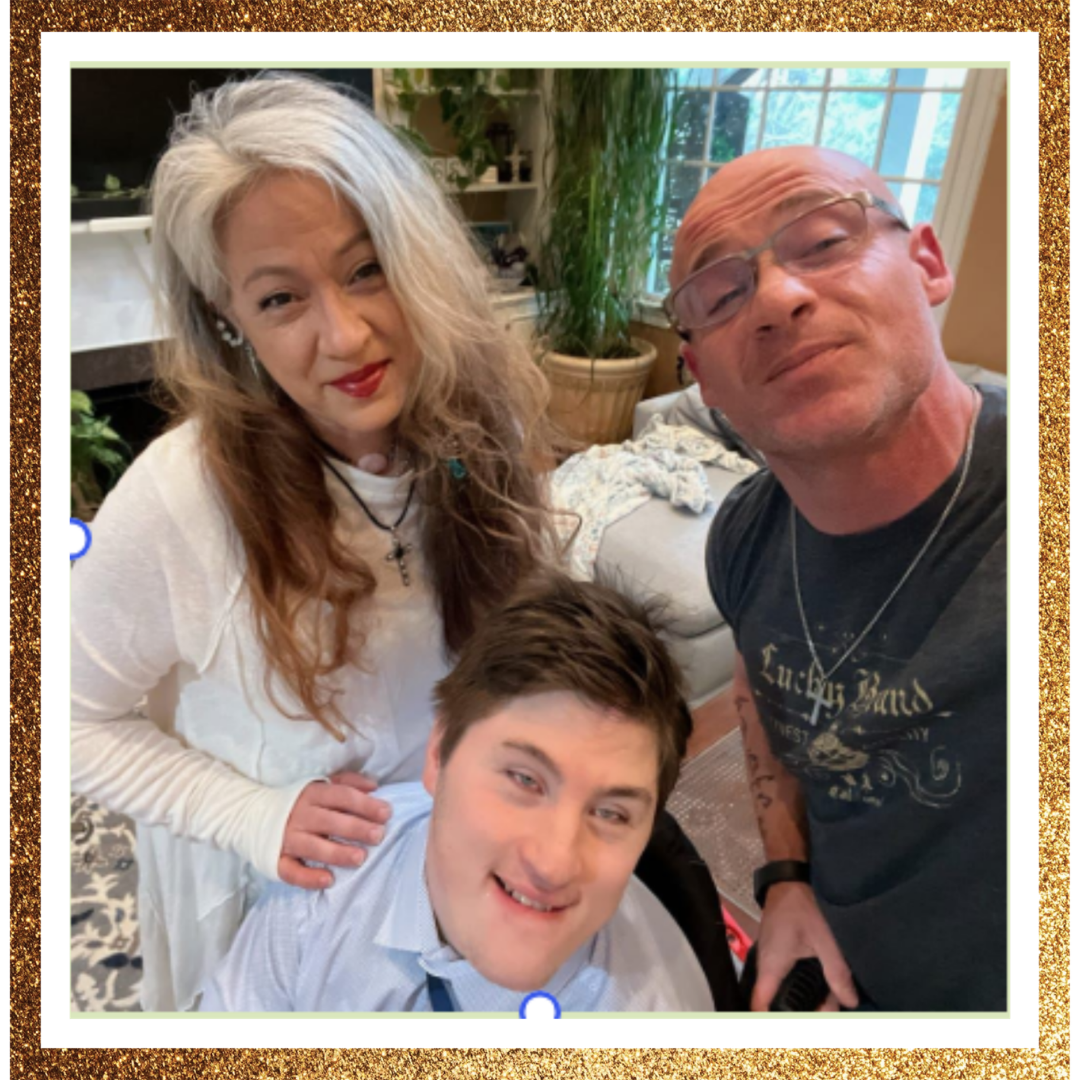
The Home- and Community Based Services (HCBS) waiver program we needed to ensure continuity of Wesley’s care was authorized by Congress in 1981. States began implementing these waivers in 1983 after federal regulations were finalized to allow Medicaid to optionally fund community-based services as an alternative to institutional care. Oregon was the first state to implement HCBS.
Unlike traditional Medicaid, however, states were permitted to limit the number of people they served through the waivers, often resulting in long waiting lists.
Virginia was no exception as I learned with one quick telephone call to social services. The social worker explained to me the comprehensive MR waiver had an extensive waiting list comprised of “urgent” and “nonurgent” members. Surprisingly, as of 2004, I was told no one had made it from the non-urgent list to receive the MR waiver. She went on to explain in order to be moved off the urgent waiting list and into a slot, a current recipient first had to leave the state or pass away. My conflicted hope began fading. In order to potentially receive services for Wesley, someone’s child might die.
How does one hope for that?
Desperate, I asked about the EDCD (elderly or disabled with consumer direction) waiver. Because his medical needs met the nursing facility level of care requirement, I was elated to find he was a candidate for that waiver and could remain on the waiting list for the MR waiver.
A few weeks later, the EDCD waiver would give him personal care attendant hours and medical coverage. Wesley required one-on-one assistance at all times, so hiring a personal care attendant meant I could accomplish everyday tasks like grocery shopping, taking a shower, or preparing dinner. It allowed me the opportunity to spend time with his brothers, whose wishes often came secondary to Wesley’s immediate care needs.
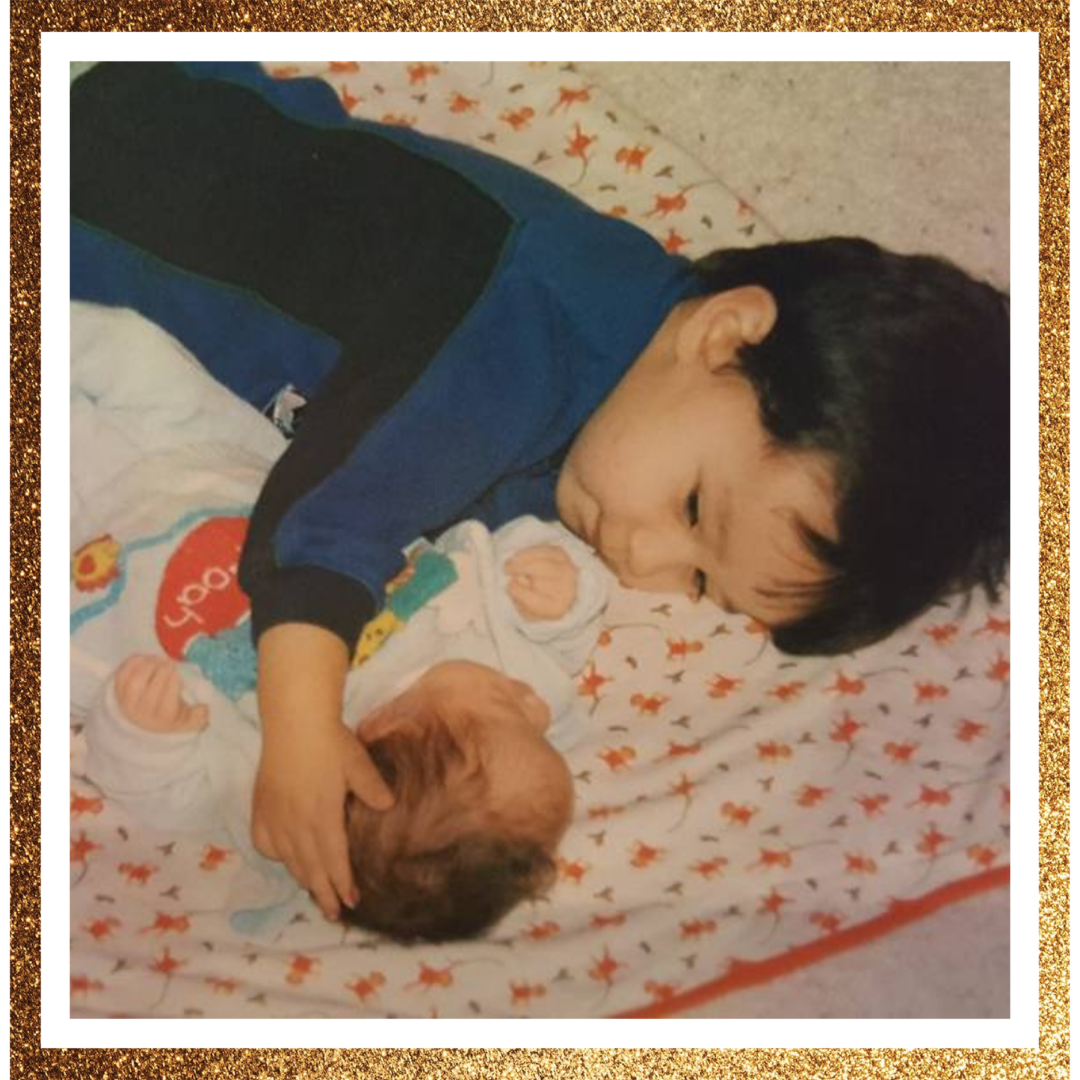

The EDCD waiver was not designed for the long-term services Wesley would need. It could only serve as a bridge while we waited for the more comprehensive MR waiver.
Only six months later we received a call informing us that he had been approved for the MR waiver. At the time, I wasn’t sure why we suddenly moved off what seemed like an impossible waiting list so quickly. Over twenty years later, curiosity would lead me to trace the events that expedited his access to receiving services and write about it here.
The MR waiver granted us even more personal care hours and respite care. Durable medical equipment like a new wheelchair every five years made it possible to enjoy community outings. A fixed annual allowance toward home modifications made a ramp at the front door possible. Wesley was non-verbal and the MR waiver covered a communication device we called “his voice.” A shower chair made bathing him safe.
The waiver would become even more vital when Wesley’s father passed away by suicide in 2011. Medicaid became his only insurance the moment his father died. Having that safety net eliminated any doubt that I could continue to care for Wesley in his home despite all we lost. It was a sense of security, as much as one can receive from a government-funded program knowing those can be defunded or rearranged every year.
When he got older, community coaching hours meant that with the assistance of a Direct Support Professional Wesley was able to choose where he wanted to go to fully engage with his community. His favorite places were the outdoor mall, Walmart, Buc-ees, and anyplace with music.
Though we never entertained a group home for Wesley, the waiver allows other families placement for their children. It is a deeply personal decision. A decision parents now have.

After Wesley graduated from the Virginia Institute of Autism, I became a licensed provider through DBHDS (Department of Behavioral Health and Developmental Services) in Virginia. I was his sponsored residential provider. The reimbursement from the state meant I could care for him in his home full time. Without that program, for many families there is no alternative but to place their children in a group home while they work full time in a different field. The Community Living waiver removed that barrier and allowed him to stay with his family.
There have been political talking points stating the care given during in-home services is “something families would have typically provided.” I beg to differ. Administering medications, urinary catheterization, g-tube feeding, changing diapers, preparing a special diet, documenting like an RN, maintaining CPR certification and MAT training, among other trainings and tasks fall well beyond the scope of “typical.”
My sweet boy was able to remain in the home he loved. And I was saving Virginia money.
It was more than a program. It was the opportunity to give him the life he deserved.
Perhaps above all, it gave me peace of mind that should I pass away first or be unable to care for him, he would have the services he needed to continue to thrive.
How I wish that remained true.
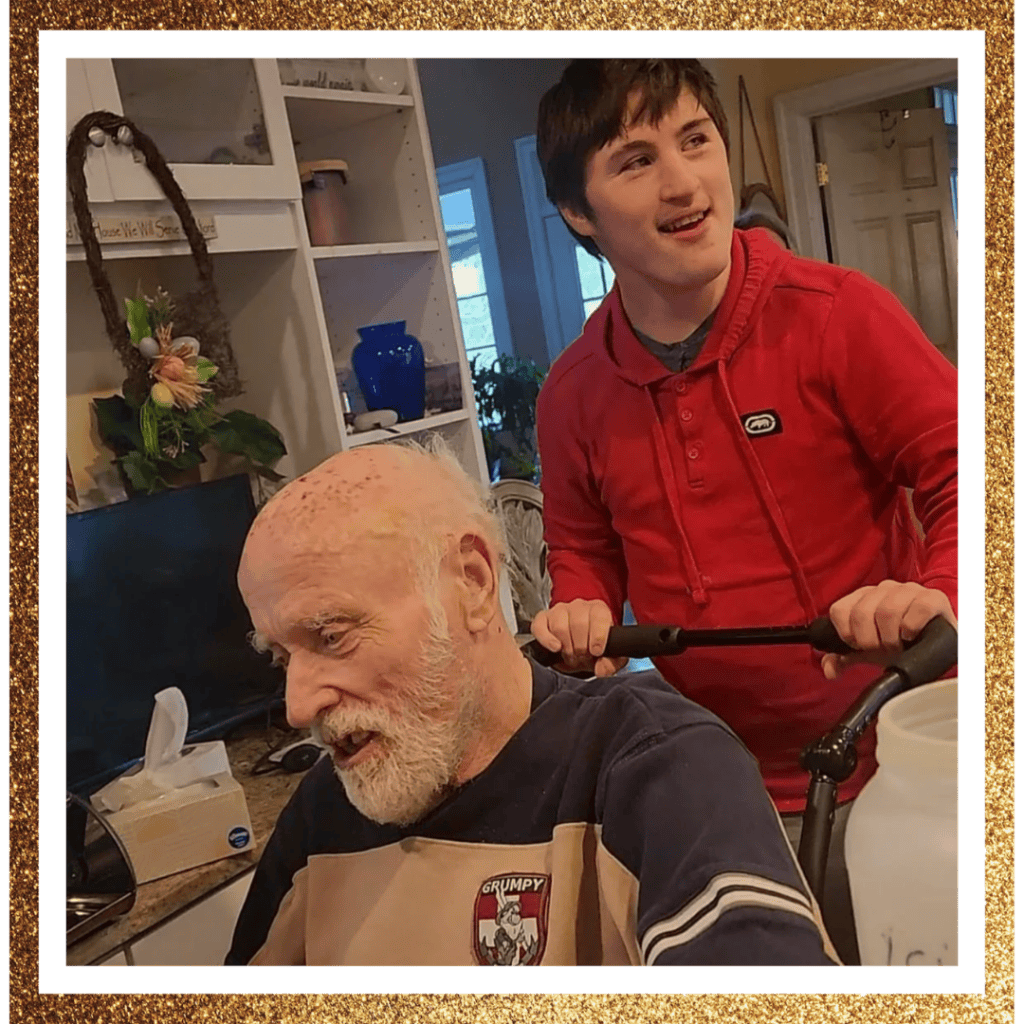
We spend so much time emphasizing how important it is for people with disabilities to be part of the community and it is true. Equally important and less often mentioned is how important it is for the community to have people with disabilities in it. People who may have never interacted with a person like Wesley could not help but be drawn to his infectious joy and uninhibited laughter. He touched the lives of countless people simply because he had a place to belong.
Had Wesley been born a generation earlier, the common advice might have been to put him in an institution, go home, and try again. Over the course of his brief and beautiful life, I did hear echoes of that sentiment from a medical professional, some family members, a few friends, and a stranger in Walmart.
Those voices were the exception and not the rule because battles had already begun. Doors were beginning to open. Lives were being changed. Society was shifting its perception. We would reap the benefits because other families refused to give up. Advocacy groups spoke up. Lawmakers advanced disability rights. And a brave woman asked for help.
Olmstead v. L.C.
Just two years before his birth, the landmark case Olmstead v. L.C. was handed down.
I confess I do not remember hearing about the Supreme Court decision in 1999. I may have but I did not have a child with a disability yet nor did any of my friends or family. News seems to matter more when it becomes personal to us. It should not have to happen to us to matter to us, but it so often does.
The “L.C.” in Olmstead v. L.C. referred to Lois Curtis. Born in Atlanta in 1967, Lois was raised in public housing and had two sisters. Lois was diagnosed in early childhood with cognitive and developmental disabilities and later with schizophrenia. She was described as loving school, but her education was increasingly disrupted due to behavior issues.
Prone to wandering from home, Lois’ mother often called the police out of concern for her safety and for help locating her. Once found, the police frequently took Lois to the psychiatric hospital or jail. By age eleven she began rotating in and out of the hospital and by the age of thirteen, she became fully institutionalized.
During that time, community-based services were still scarce or non-existent. In particular, “Georgia provided fewer community-based support options for people with disabilities than nearly any state in the country.“
Families who could not care for their children and lacked support often faced the agonizing reality of institutionalization. Though institutions for those with developmental and intellectual disabilities did exist, Lois was often placed in a psychiatric institution even though she had co-existing diagnoses. Both types of institutions served different purposes, however, neither were equipped to offer individualized supports, therapies, education, and opportunities that would later become the standard of care.
Sue Jamieson, an attorney for Atlanta Legal Aid Society, first met Lois Curtis in 1989 while she was cycling in and out of the Georgia Regional Hospital.
Understanding some clients may need help and not have the ability to find an attorney, Jamieson spent time within the state hospitals. She once said,
“When I came to Atlanta Legal Aid in 1984, I decided to go into the hospitals, pass out my cards and look for sympathetic social workers.”
She described asking Lois the typical question when she met residents.
“What is it you think we could do for you? I work at Legal Aid. And I’m a lawyer.”
Lois didn’t hesitate. Her answer was immediate and unwavering:
“Get me out of here. Would you please get me out of here? When am I getting out of here?”
Jamieson did not immediately file a lawsuit. Instead, she would write letters, make phone calls, and try to secure community services.
According to Jamieson, a personal care home placement was attempted but failed due to untrained staff and the lack of the support services Lois needed. Lois’ mother was pressured to take her back home, but support services were denied. With no other option, Lois was returned to the Georgia Regional Hospital.
In 1992 Lois was voluntarily admitted to the hospital and the following year, Lois’ doctors determined she no longer met the criteria for hospital level of care. But because Georgia had no appropriate community-based support for her, she languished, confined in the state hospital.
After repeated attempts to secure community placement for Lois failed, Atlanta Legal Aid filed a federal lawsuit in 1995 arguing continued institutionalization violated the Americans with Disabilities Act.
In an interview with Jamieson in 2010, Jamieson remembered,
“The state’s position was, if they could serve the women in an institution, that was all the obligation the state had. They weren’t required to serve them in any other setting. They said the women had no legal rights to more than what they already had.”
As the case progressed, Elaine Wilson, another woman in the same institution facing the same challenges, was added to the lawsuit.
Elaine’s mother Jackie recounted that in early childhood Elaine became critically ill and hospitalized with a 107-degree fever. Although she recovered, the illness left her with developmental disabilities.
Her mother made attempts to support her daughter including various public and private schools, tutors, and the Augusta School for Children with Disabilities. Around age fifteen, Elaine’s support needs increased beyond what her mother could safely manage at home without adequate community supports.
During a re-evaluation at Gracewood State School and Hospital, she received a diagnosis of “mental retardation” (the medical terminology used at the time). The physicians recommended institutionalization.
Jackie recounts, “with a broken heart and a lot of misgivings, I took her to the state mental hospital in Milledgeville.”
Over the next decades, Elaine would be subjected to shock treatments and psychotropic drugs. She would spend the next thirty-five years in a succession of state institutions, psychiatric hospitals, personal care homes, and periods of homelessness.
In 1995, Georgia Regional Hospital attempted to discharge Elaine to a homeless shelter. Her attorney filed a complaint and the plan was abandoned.
Like Lois, Elaine’s treating physicians believed she no longer needed institutionalization-level care, but with no adequate community-based support, she also was confined to the hospital.
At a hearing in 2000, Elaine testified to Judge Shoob saying,
“When I was in the institution, I felt like I was in a little box and there was no way out.”
By the time she received the supports she needed she had moved through at least 36 different placements.
Lois and Elaine supported one another in the institution. In an interview with Lois Curtis in 2014, when asked how the Olmstead case began she answered,
Well, I prayed to God. I cried at night so I prayed to God every night in my bed. Elaine asked me to pray for her to get out too, so I did. We sued and they closed our case. Elaine and me was the first ones to get out.
I often wonder if those two women, crying and praying at night, had any idea the change they were about to make, not just for themselves but for people with disabilities across the country and for years to come. They were the first ones to get out. They were not the last. They opened a door for others to find a place called home.
In 1997, U.S. District Judge Marvin Shoob of the Northern District of Georgia granted partial summary judgment on liability in favor of Lois Curtis and Elaine Wilson. He held that continuing to institutionalize individuals after the state’s own treatment professionals determined community placement was appropriate constituted discrimination under Title II of the Americans with Disabilities Act.
He also rejected Georgia’s argument that inadequate funding justified continued institutionalization. In comparing the costs of caring for Lois and Elaine individually, the court found that providing community-based services would cost less than continuing to care for them in the state hospital.
Georgia appealed, not because it disputed Lois and Elaine’s ability to live in the community, but because it argued the ADA did not require the state to provide those services if doing so would fundamentally alter its system.
The legal question shifted from “Where should these women live?” to “What does the ADA require a state to do when everyone agrees community placement is appropriate?”
The Eleventh Circuit Court of Appeals agreed unnecessary institutionalization could constitute discrimination under the ADA. However, it remanded the case back to the district court to determine whether providing community services to Lois and Elaine would fundamentally alter Georgia’s system for providing services to people with disabilities.
Before Judge Shoob could reconsider the case, Georgia petitioned the Supreme Court, which granted certiorari.
The Supreme Court Decides
By the time the case reached the nine Justices, the Olmstead case had grown from two women with no place to call home. The Court was now tasked with defining how future courts would interpret the ADA and evaluate claims of discrimination, balance the rights of those with disabilities with state responsibilities, and determine when providing community services would fundamentally alter a state’s programs.
The Supreme Court found by a 6-3 decision that unjustified institutionalization was discrimination under the ADA. Ruth Bader Ginsburg, writing for the majority, explained:
“Specifically, we confront the question whether the proscription of discrimination may require placement of persons with mental disabilities in community settings rather than in institutions. The answer, we hold, is a qualified yes.”
The decision also established what has become known as the Olmstead three-part test. A state generally must provide community placement when:
1. its treatment professionals determine it is appropriate,
2. the individual does not oppose it, and
3. the placement can be reasonably accommodated, taking into account the state’s resources and the needs of others with disabilities.
What the Court did not define, however, was what an “effectively working plan” or a waiting list that moved at a “reasonable pace” actually looked like. Twenty-seven years later, families, states, the Department of Justice, and the courts are still debating what those words mean.
For Lois Curtis and Elaine Wilson, the Olmstead decision ultimately led to the supports they needed in order to have a home of their own. It would finally open the door that had been closed for far too long for countless others with disabilities.
New Freedom Initiative
In February 2001, President George W. Bush launched the New Freedom Initiative, making disability inclusion a priority of his administration. As part of that initiative, on June 18, 2001, he signed Executive Order 13217, directing every federal agency to examine whether its own programs were preventing community living. The order instructed agencies to identify barriers in federal law and policy, coordinate efforts across the government, provide technical assistance to states, and enforce the ADA consistent with the Supreme Court’s decision in Olmstead.
President George W. Bush wrote:
“Wherever a door is closed to anyone because of a disability, we must work to open it. Wherever any barrier stands between you and the full rights and dignity of citizenship, we must work to remove it, in the name of simple decency and simple justice.”
Executive Order 61, Governor Mark Warner of the Commonwealth of Virginia
Three years later, in 2004, Governor Mark Warner signed Executive Order 61, creating Virginia’s formal Olmstead Initiative. The initiative expanded housing supports, transition funding, nursing home transitions, start-up costs for new waiver recipients, and the infrastructure needed to help people live in their communities. He wrote:
“Each Virginian with a disability deserves to enjoy the same benefits of society and freedoms of everyday life that Virginians without disabilities enjoy.”

That same year, Virginia added 700 new MR Waiver slots. We were one of the lucky families to receive one.
It took parents fighting to bring their child home from the hospital;
a lawyer asking a simple question;
two brave women wanting a home of their own;
a Supreme Court decision;
a Republican President embracing it;
a Democratic governor expanding it;
and a state legislature approving;
to create the waiver slot that would ensure we would receive the support required to keep my son in his own home.
The Promise of Olmstead

Our work, however, is far from over. More than a quarter of a century later, the promise of Olmstead seems to be vanishing.
On June 18, 2026, the Department of Justice’s Office of Legal Counsel released a memo arguing that neither Title II of the Americans with Disabilities Act nor Section 504 of the Rehabilitation Act imposes an integration mandate on states. On July 20, 2026, the DOJ announced it would no longer rely on the longstanding Olmstead guidance in its enforcement of Title II of the ADA.
On August 31, 2026, the Department of Justice, on behalf of the Department of Health and Human Services, and the remaining plaintiff states filed a proposed resolution and joint motion for final judgment. The proposed resolution would remove every reference to “community integration” from HHS’s 2024 Section 504 regulations.
Every reference.
As of this article, a federal judge still needs to approve the proposed judgment.
The story of my sweet boy and our family spans from South Dakota to Virginia. Across the country, states are altering their waiver services through budget cuts, provider reimbursement reductions, capping service hours allowed, and changing assessment tools potentially decreasing services, eligibility and reimbursements. A small handful of states are expanding services.
Many states are attempting to balance budgets in conjunction with reductions in Medicaid enacted in the current administration’s “One Big Beautiful Bill Act.” The evidence found in repeated research has confirmed community-based services can cost substantially less than institutional care.
According to the State of the States in Intellectual and Developmental Disabilities project, average spending per Medicaid waiver participant was approximately $70,500 in FY2023, while the average annual cost per resident in a large state-operated institution was $395,600.
This begs a bigger question: why are we trying to balance budgets by stripping rights from this population?
The benefits of community-based services extend beyond financial advantages. Studies comparing institutional and community-based settings have found that people with intellectual disabilities living in community settings generally experience greater quality of life, choice and self-determination, and participation in community life.
In the debate, dead center, are people like my son and the families who love them.
Not policy.
Not procedure.

But a boy who loved pudding and music. A child whose family loved him and tried to give him the best life possible without realizing it was he and his disabilities that gave us the best life. It is about a young man who danced at concerts and hugged strangers. He volunteered and with the assistance of a DSP delivered food to those in need. He was an integral part of his community because the views of our society—backed by politicians, fought for by advocates—had finally begun to change.
In February of this year, Wesley passed away unexpectedly. Losing a child is impossible to fully express.
Since his waiver ended when he died, it was given to another Virginian on the wait list. While I am glad another family will receive the support that was vital to my family for twenty years, a system in which one family finally receives support because another family buried a child demonstrates that the disparity between need and services remains.
It is a system still in progress even twenty-seven years after the Olmstead decision.
Virginia remains a state with one of the largest waiting lists. As of 2026, Virginia has almost 15,000 people on the waiting list, approximately 3,000 of whom are Priority One. Virginia’s enacted 2026–2028 budget includes no new regular DD waiver slots, even as thousands of Virginians remain on the waiting list.

To be fair, tremendous progress has been made in previous years. When I moved to Virginia in 2004, 6,571 people were receiving services through the MR Waiver. Today, that program has evolved into Virginia’s Developmental Disability (DD) Waiver system, which includes the Community Living, Family & Individual Supports, and Building Independence waivers. As of November 2025, 19,924 Virginians had been assigned a waiver slot through these DD waivers.
Those aren’t data points on a report. Those are families counting on a promise.
Wesley’s trajectory was not going to be independence as most people understand it. Parents of children with disabilities are often fighting for what other parents naturally receive for their children – the simple opportunity to belong.
It wasn’t until twenty-seven years ago that the highest court recognized what we families have known all along – our children belong in their homes and in their communities. And it started with two women, a lawyer, and the hope of home that gave us the ability to keep our sweet Wesley where he belonged.
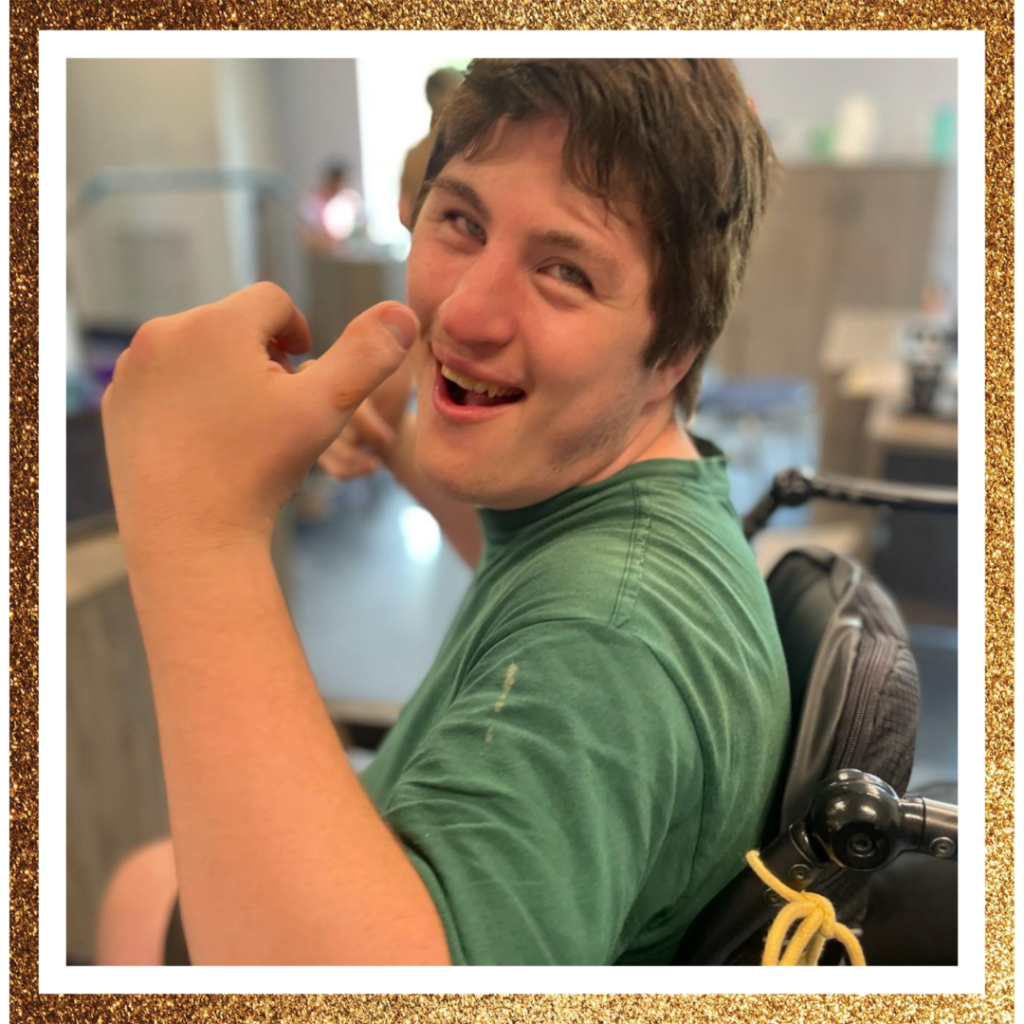
I dedicate this article to my sweet boy, Wesley. He taught me so much and never spoke a word. As families fight for their children’s right to belong, he welcomed everyone with open arms. If we could love the way he did, even for a moment, we would realize we should not be fighting this hard for people with disabilities’ right to belong in our communities but understand what a privilege it is to have them here.


Leave a Reply